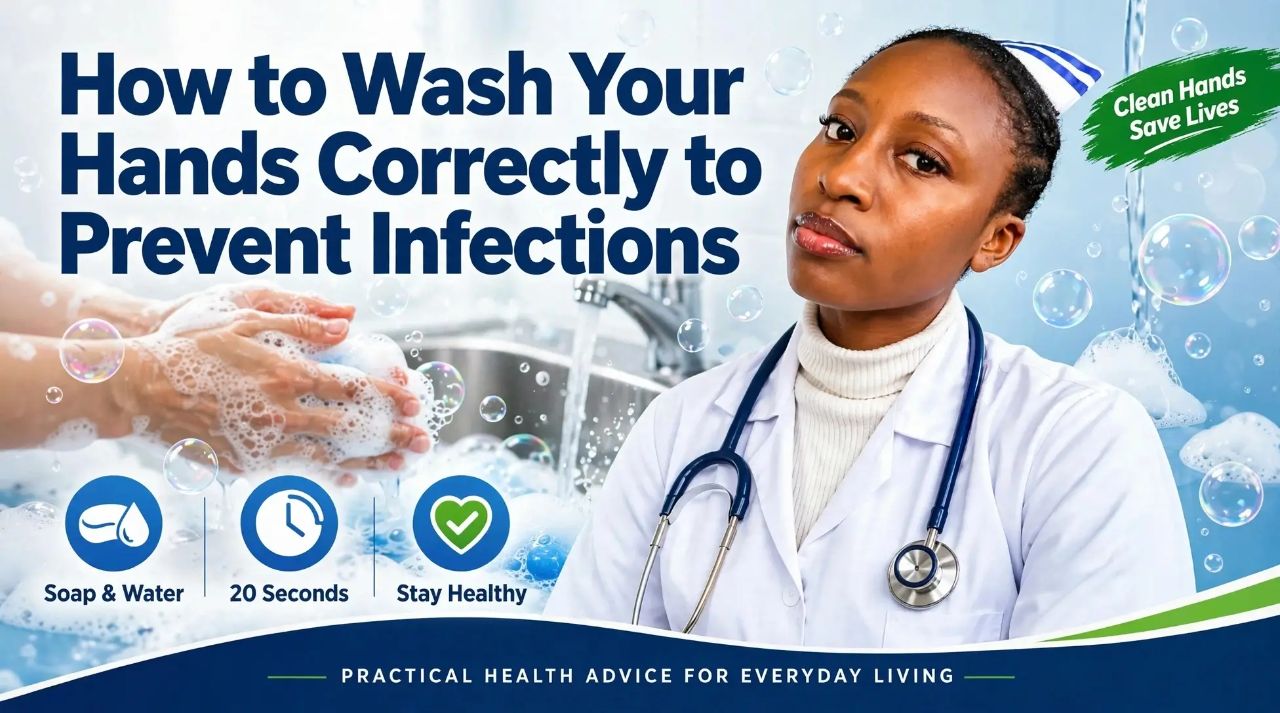
Clean hands save lives. Even when hands look clean, they can carry germs from door handles, phones, money, food and public surfaces that increase the risk of infections when we touch our eyes, nose, mouth or food.
According to health experts, proper handwashing with soap and clean running water remains one of the simplest and most effective ways to prevent the spread of many infectious diseases at home, school, work and in public places.
When Should You Wash Your Hands?
Experts recommend making handwashing a regular part of your daily routine. You should wash your hands before preparing food, before eating, before and after caring for a sick person, after using the toilet, after changing a baby's diaper, after coughing, sneezing or blowing your nose, after handling rubbish or waste, after touching animals, and when your hands are visibly dirty.
Washing your hands at the right time is just as important as washing them correctly. Health authorities also advise washing hands after returning home from places where you touched frequently handled surfaces, and before and after treating a wound.
Proper handwashing with soap can help reduce the spread of diarrhoeal diseases, respiratory infections, and foodborne illnesses.
Handwashing is particularly important in homes, schools, markets, healthcare facilities and restaurants where people interact closely. While it does not prevent every infection, it works best alongside other appropriate hygiene measures.
How to Wash Your Hands Correctly in 10 Steps
To wash your hands correctly, wet your hands under clean running water, apply enough soap to cover all surfaces, rub your palms together, clean the backs of your hands, clean between your fingers by interlacing them, clean your thumbs with a rotating motion, clean your fingertips and nails by rubbing them against your opposite palm, clean your wrists if contaminated, rinse thoroughly under clean running water, and dry with a clean towel or air-dry.
You should scrub your hands with soap for at least 20 seconds. Common mistakes to avoid include using water alone without soap, washing too quickly, ignoring thumbs and fingertips, forgetting between fingers, touching dirty surfaces immediately after washing, and drying with a dirty towel.
What If Soap and Water Are Not Available?
If soap and water are unavailable and hands are not visibly dirty, an alcohol-based hand sanitiser containing at least 60% alcohol can be used as a temporary alternative. Apply enough sanitiser to cover all surfaces and rub until dry. However, it may be less effective when hands are greasy or visibly dirty, and soap and water remain essential for certain diarrhoeal infections.
M2NICE Editorial Note: Practicing correct hand hygiene is one of the most cost-effective health habits for families in Nigeria. Keeping soap and a clean water container at a designated handwashing spot at home, and teaching children to wash before eating and after using the toilet, can significantly reduce preventable infections.