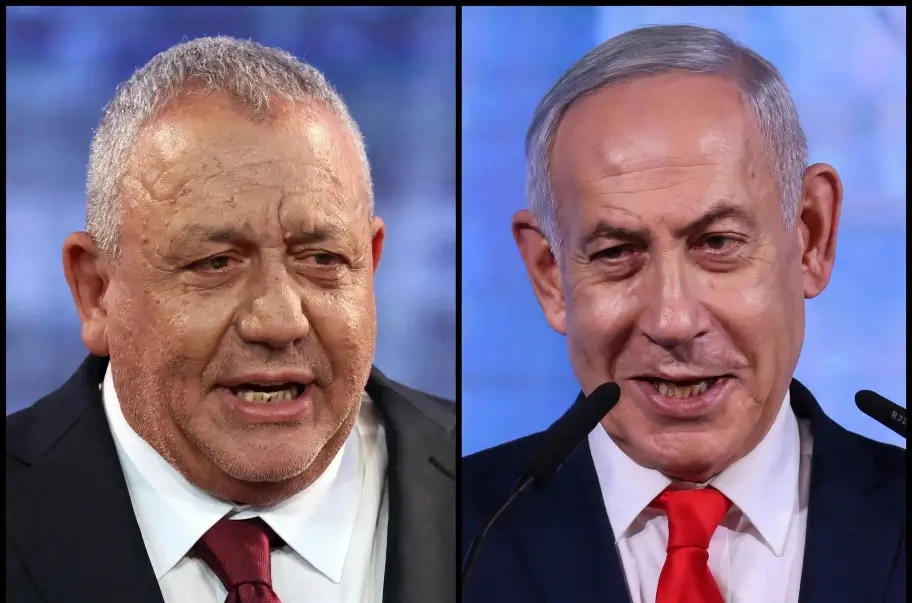
Final results from Israel's 2026 general election have been released today, October 30, 2026, with Prime Minister Benjamin Netanyahu's Likud Party emerging as the largest single party but failing to secure a governing majority in the 120-member Knesset, according to Israel's Central Elections Committee.
The results published early Friday show Likud won 27 seats, making it the biggest party in the parliament, but Netanyahu's right-wing and far-right bloc secured only 53 seats in total - eight short of the 61 seats required to form a government and remain in power. The opposition alliance secured 48 seats, while Arab-led parties won a combined 19 seats and have now emerged as potential kingmakers.
Israel Election 2026 Final Results Breakdown - Who Won What?
According to verified reports from The Jerusalem Post, Al Jazeera, and CNN citing the Central Elections Committee count completed on October 29, Netanyahu's Likud is leading with 27 seats. Its allies include United Torah Judaism with 7 seats, Otzma Yehudit with 7 seats, Shas with 6 seats, and Religious Zionism with 6 seats - bringing the bloc total to 53 seats.
The opposition bloc led by former IDF Chief of Staff Gadi Eisenkot secured 48 seats. Eisenkot's Yashar party won 21 seats, Naftali Bennett's B'Yachad won 12 seats, Yair Golan's Democrats won 8 seats, and Avigdor Liberman's Yisrael Beytenu won 7 seats. The bloc would need support from Arab parties or defectors to reach a majority.
The results show a deeply divided Israel with no clear mandate for either side - 77.9 percent turnout with 5,716,665 votes cast is the highest in decades.
The Arab-led parties are now in the strongest position in years. Ra'am led by Mansour Abbas won 8 seats, while the Joint List won 11 seats. Combined they hold 19 seats, which means neither Netanyahu nor Eisenkot can form a government without negotiating with them or persuading members from the opposing bloc to switch sides - a scenario that would be politically difficult for both.
What Happens Next After Israel Election Deadlock?
Israel now faces weeks or potentially months of coalition negotiations. Under Israeli law, President Isaac Herzog will consult with all elected factions and then task one leader - likely Netanyahu as head of the largest party - with attempting to form a government within 28 days, with a possible 14-day extension.
If that leader fails, the mandate passes to the opposition leader. If no government is formed, Israel could be forced into another election, which would be its sixth in seven years. The final official certification of results is expected on November 4, 2026, with the new Knesset scheduled to be sworn in on November 10.
Analysts say the strong showing by Arab parties reflects high Arab voter turnout and dissatisfaction with both blocs. Netanyahu's campaign focused on security and judicial reform, while Eisenkot's campaign focused on ending the war, hostage returns, and restoring institutional checks.
Why This Election Matters
This election was called early after the collapse of Netanyahu's previous coalition government in May 2026 over disputes about ultra-Orthodox conscription and the Gaza war strategy. The campaign was dominated by debates over the ongoing war, the economy, and the future of the judiciary.
International observers are closely watching whether Israel can form a stable government, as the deadlock could affect ongoing ceasefire negotiations, US aid discussions, and regional security coordination.
M2NICE Editorial Note: This is the first time since 2022 that Arab parties hold such decisive power with 19 seats. For M2NICE readers, this result means Israel will likely see prolonged negotiations - historically when no bloc reaches 61, coalition talks can last 60-90 days. Watch for Ra'am and Joint List demands as they will shape the next government.








Comments
0 COMMENTS